PRIMARY WATER TREATMENT
Human Consumption

The UNI 8065:2019 standard requires mandatory chemical-physical treatment of drinking water, including water softening performed using equipment that operates exclusively on the principle of ion exchange. Softened water ensures maximum energy efficiency and complete protection of systems. Facot Chemicals offers chemical and physico-chemical solutions to prevent scale, corrosion, and sludge, as well as organic contamination of a bacterial-algal nature (e.g., Legionella pneumophila), ensuring savings and safety in full compliance with current regulations.

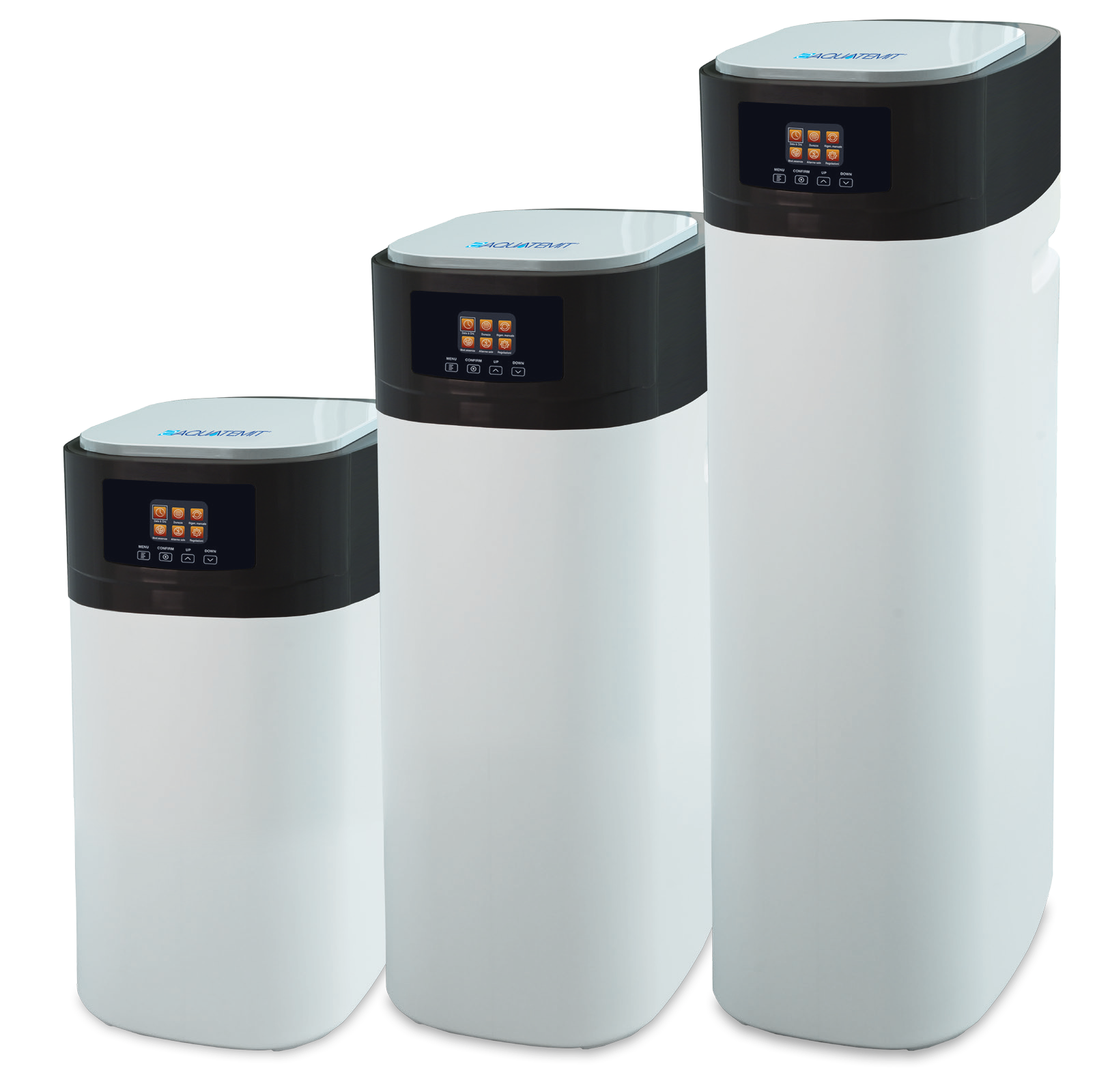
e|aquatemit line for the treatment of raw water intended for human consumption

Water intended for human consumption must be treated to protect water systems, plumbing fixtures, and household appliances, while ensuring it is safe to drink and hygienic. The UNI 8065 standard mandates specific treatments to prevent scaling and corrosion, while Legislative Decree No. 18/2023, which effectively repealed the historic Legislative Decree No. 31/2001, establishes the legal limits for the chemical and physical parameters of such water.

Ion Exchange Water Softening

For plumbing, heating, and sanitary systems, the UNI 8065:2019 standard stipulates that water softening is mandatory for water hardness levels exceeding 15 °f in systems with a furnace thermal output greater than 100 kW. Regardless of the furnace’s thermal output, water softening is still recommended if the water hardness exceeds 15-20 °f.

  • Permanent removal of limescale.
  • Saves on detergents and soaps.
  • Softer skin and hair, and softer laundry.
  • Extends the life of water heaters and washing machines.
Filtration and Protection of Plumbing Systems

Before any treatment, it is essential to install an inlet safety filter to remove sand and impurities. Next, polyphosphate dosing systems protect boilers and heat exchangers by preventing limescale buildup. In addition to preserving metal components by creating a molecular film that seals the surface against direct contact with water, they provide effective passivation and corrosion protection.

  • Self-cleaning filters for water containing suspended solids (e.g., well water).
  • Proportional dosing systems for scale and corrosion protection.
  • Anti-Legionella sanitizers specifically designed for potable water.
Shower head with running water
Water Softeners

Water Softeners e|AQUATEMIT

Proportional, statistical, volumetric cabinet-style water softeners. Maximum efficiency and intelligent regeneration.

Product page
SELF-CLEANING FILTERS

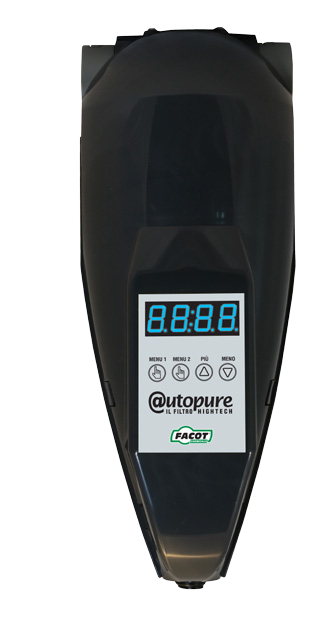
SELF-CLEANING FILTERS

Safety filters with a semi-automatic or automatic cleaning system for solid impurities.

Product page
POLYPHOSPHATE DOSING SYSTEMS

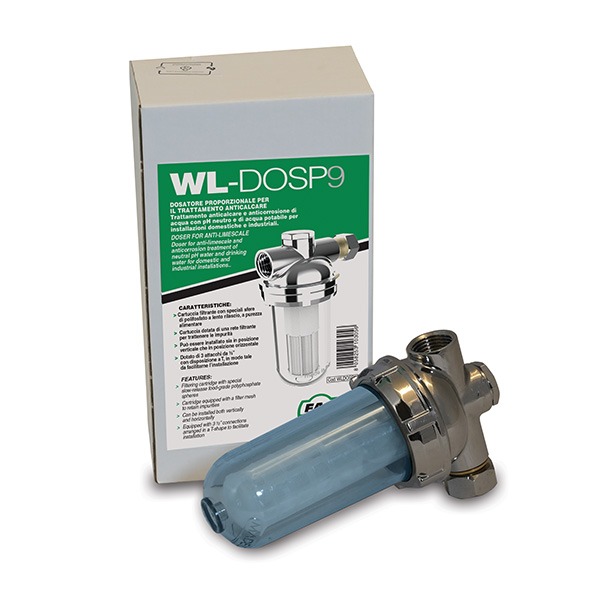
POLYPHOSPHATE DOSING SYSTEMS

Proportional dosing systems to prevent lime scale and corrosion

Product page

Check Service: Plant Water Analysis

Facot Chemicals’ Check Service provides a detailed analysis and recommends the most suitable solution for troubleshooting and optimizing the plant’s energy efficiency. This is another strong and reliable way to enhance the value of your work and comply with the most relevant standards.

Request Check Service Download Brochure
Check Service
Parameter Why it is important
pH It expresses the current degree of acidity or basicity (alkalinity) of a solution on a scale ranging from 0 to 14. pH is one of the basic parameters for assessing the corrosiveness of water; it is also a factor of extreme importance in the development and extent of scaling, corrosion, and microbial growth.
Electrical Conductivity Indicates the amount of dissolved salts. High values accelerate electrochemical corrosion processes.
Total Hardness (°F) It represents the total amount of calcium and magnesium salts dissolved in the water. It is expressed in ppm or mg/L as CaCO3, or in French degrees (1°f = 10 ppm or mg/L of CaCO3). The presence of hardness causes scaling in systems where no treatment is used.
Iron / Copper / Aluminum The presence of these metals in the water indicates active corrosion in the pipes or heat exchangers.
Chlorides If present in excess, they cause pitting corrosion, which is devastating to stainless steel and copper.
Bacterial Count Detects the presence of algae or bacteria that form biofilms, reducing heat transfer and clogging the circuits.
Glycol / Antifreeze It is essential to periodically check the antifreeze protection and its alkaline reserve in order to prevent degradation associated with the latter, which can lead to sludge formation and severe corrosion of metal components due to the acidification of the glycol.

Contact us for
more information about FACOT products

Leave your details and you will be contacted soon!